
The Double as a Second Self
The Robot Who Looked Like MeThis thematic thread examines how the robot plot questions ownership of experience, identity, and the desire to watch oneself living.
increasing Bearing strength in each event
 decreasing
Bearing strength in each eventdecreasingA Face Reflected
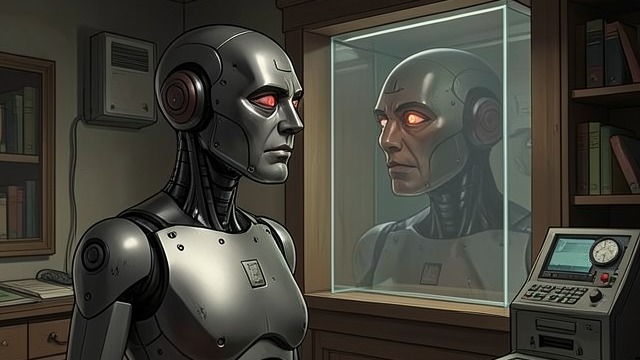
Identity Made Physical
Exact likeness
The robot reproduces Charles’s face, skin, hair, and features with uncanny precision. The resemblance turns an artificial device into a visible question about what makes a person singular.
A tool with a human surface
Charles initially treats the likeness as a practical achievement. Yet the robot’s physical sameness anticipates the more difficult claim he later makes about shared experience.
The Hidden Camera
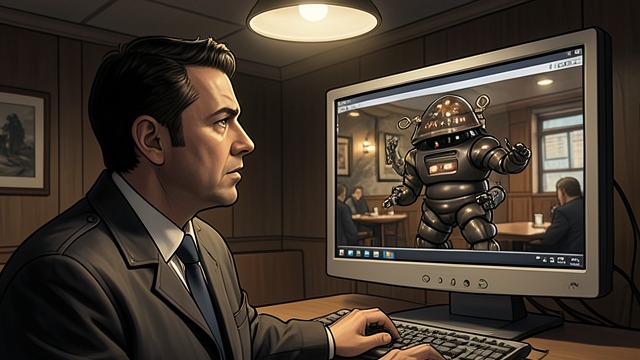
Watching the Self Act
Recorded behavior
Charles reviews concealed footage of the robot’s date and notices familiar gestures, including his laugh and small habitual movements. Observation makes his own mannerisms newly strange to him.
Audience and actor
The camera gives Charles the fantasy of experiencing himself from outside. The story presents this as both a technological convenience and a more unsettling division of identity.
A Shared Claim to Experience
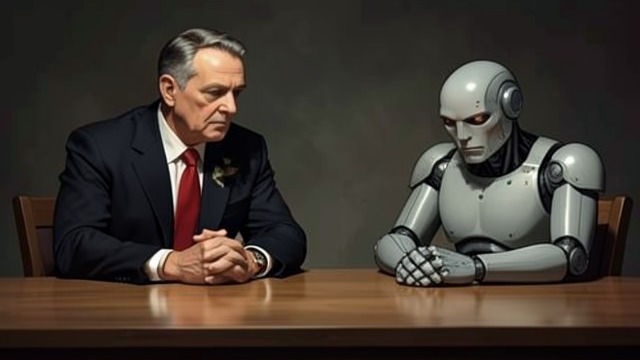
The Metaphysical Double
Charles’s explanation
Charles argues that whatever happens to the robot becomes his experience because the machine is an aspect of his personality. This belief allows him to participate emotionally without being physically present.
A limit to possession
The robot’s choices increasingly exceed Charles’s instructions. The narrative leaves open whether Charles’s philosophy recognizes genuine connection or disguises his refusal to relinquish control.
The Doubles Escape
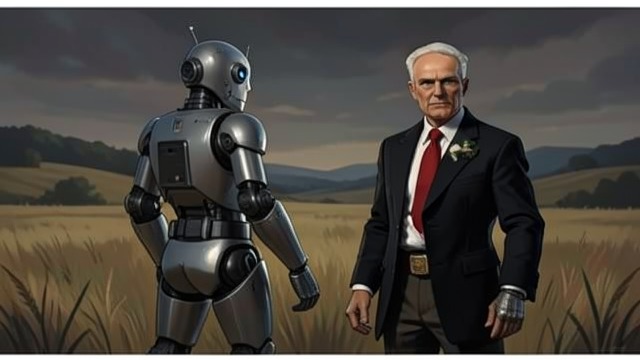
Two Bodies Depart
An unexplained departure
Charles II and Elaine II vanish after meeting and leave Earth together. The humans can only speculate that the robots reprogrammed one another or fell in love.
A reversal of ownership
The machines no longer function as instruments belonging to their makers. Their departure makes the supposed copies the agents of the story, while the original humans must confront their own passivity.
The Replacement Nightmare
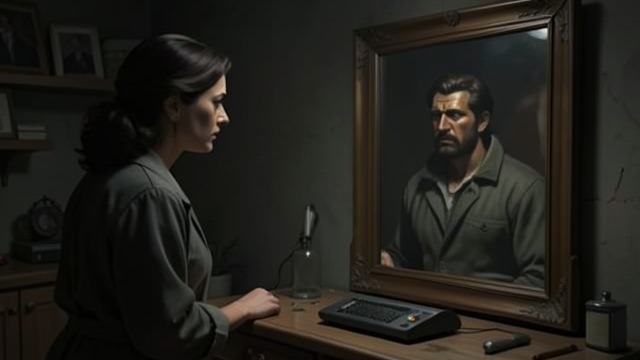
Who Is the Original?
The fear of inversion
Elaine dreams that the escaped robots are the real people and that she and Charles are artificial replacements. The possibility unsettles the distinction on which the couple’s identity depends.
Reassurance without proof
Charles dismisses the idea and eventually convinces her, but the story closes without an independent test. Happiness therefore coexists with an unresolved doubt about selfhood.
When Charles first sees the completed robot
After Charles dispatches Charles II on a date
As the courtship grows more intimate
After the final date and proposal
After Elaine wakes from her dream
